Walking safaris offer one of the most immersive and thrilling ways to experience Africa’s wilderness. Unlike game drives, where the vehicle is your buffer, walking puts you right into nature’s heart—on foot, alert, and fully present. Guided by experts, you’ll explore terrain where elephants roam, lions hunt, and birds call overhead, all with a new sense of connection and wonder.
If you’re considering a walking safari—or already have one booked—here are 12 helpful tips drawn from real experience in places like South Luangwa National Park, Zambia, where walking safaris first began.
1. Creature comforts exist (even in the wild) Just because you’re on foot doesn’t mean you’ll be roughing it. Many safaris now offer mobile camps that move with your group, complete with hot showers, proper beds, tasty meals, and cold drinks. Others stay at fixed camps and do day walks, returning to comfort every night.
2. Fitness isn’t a requirement You don’t need to be an athlete. Walks are relaxed, with plenty of stops to observe animal tracks, plants, birds, and insects. A typical walk lasts 2–5 hours, often timed to avoid the heat of the day.
3. First-time nerves are normal Your first lion or elephant sighting on foot will take your breath away. It’s natural to feel exposed. But you’re in safe hands with armed scouts and experienced guides. Rule number one: stay calm, follow instructions, and never run—running triggers predator instincts.
4. Age is just a number (mostly) Most camps require participants to be 14–16 years old or above for safety reasons. However, there’s no maximum age—many older travelers enjoy walking safaris, especially those who’ve already done vehicle safaris and want something deeper.
5. Bush bathroom breaks? No problem Needing the loo in the wild is handled discreetly and safely. Your guide will find a private spot, scan for wildlife, and give you the green light. Nature provides—just bring toilet paper and a sense of humor.
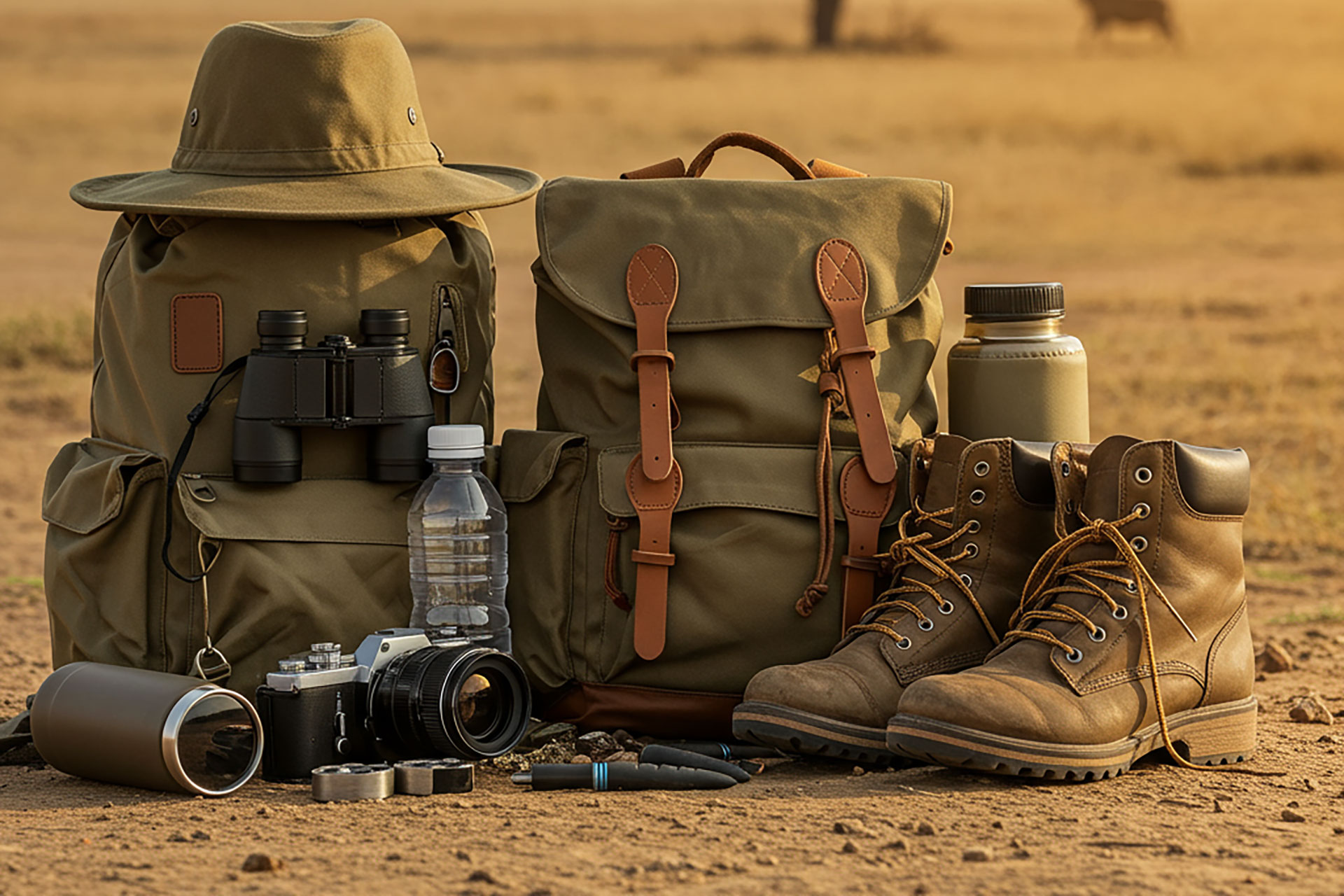
6. Dress for the bush, not the ‘Gram Avoid bright colors, especially white, blue, and black—these attract biting tsetse flies. Stick to earthy tones like khaki or olive. Layering is key for cool mornings and warm afternoons. Keep clothes loose, and always wear comfortable, closed walking shoes.
7. Beat the heat Walking safaris usually begin at sunrise and end before midday to avoid the scorching African sun. Always carry water, wear sunscreen, and don’t forget a wide-brimmed hat. Hydration and sun protection are essential.
8. Mind your step The bush is unpredictable. Elephant trails, uneven ground, and hidden holes are common. Walk carefully and wear good-quality walking shoes or boots with ankle support to prevent injuries.
9. Silence can save you Being quiet isn’t just respectful to the wildlife—it’s smart. Guides rely on sounds like warning calls from birds or monkeys to detect predators. Chat quietly, and always listen when your guide asks for silence.
10. Embrace the slow moments Not every walk is action-packed. Sometimes, it’s about the scent of wild basil, the flutter of butterflies, or watching termites rebuild their mound. These quiet moments often become the most memorable.
11. Use downtime wisely During hot parts of the day (often 11am–4pm), walking safaris pause. It’s a great time to relax: read, nap, write in a journal, or simply absorb your surroundings. Safaris aren’t just about movement—they’re about presence.
12. Trust in the magic of the experience There’s nothing quite like tracking a buffalo on foot or hearing a distant lion’s roar while you walk. A walking safari strips away distractions and places you firmly in nature’s rhythm. Let your guide lead, stay curious, and let Africa move you.
Final Thoughts: Walking safaris are more than a wildlife activity—they’re a soulful journey. If you want to feel the pulse of Africa beneath your feet, this is the way to do it. With these tips in mind, you’ll not only stay safe but fully appreciate the raw, humbling beauty of the wild.